Quality & documents
Quality assurance and quality control
How Le Duong Cashew keeps every lot consistent, safe and traceable, from the arrival of raw cashew nuts to a sealed container.
- ISO 22000:2018
- HACCP-based food-safety plan
- Lot code on every carton
- Retain samples kept at least 12 months
Food-safety framework
ISO 22000:2018 and HACCP
Food safety management system certified to ISO 22000:2018, with a HACCP-based food-safety plan.
FDA and GACC registrations
U.S. FDA food facility registration and China GACC registration for overseas food manufacturers.
Certificates
See the Quality & documents centre.
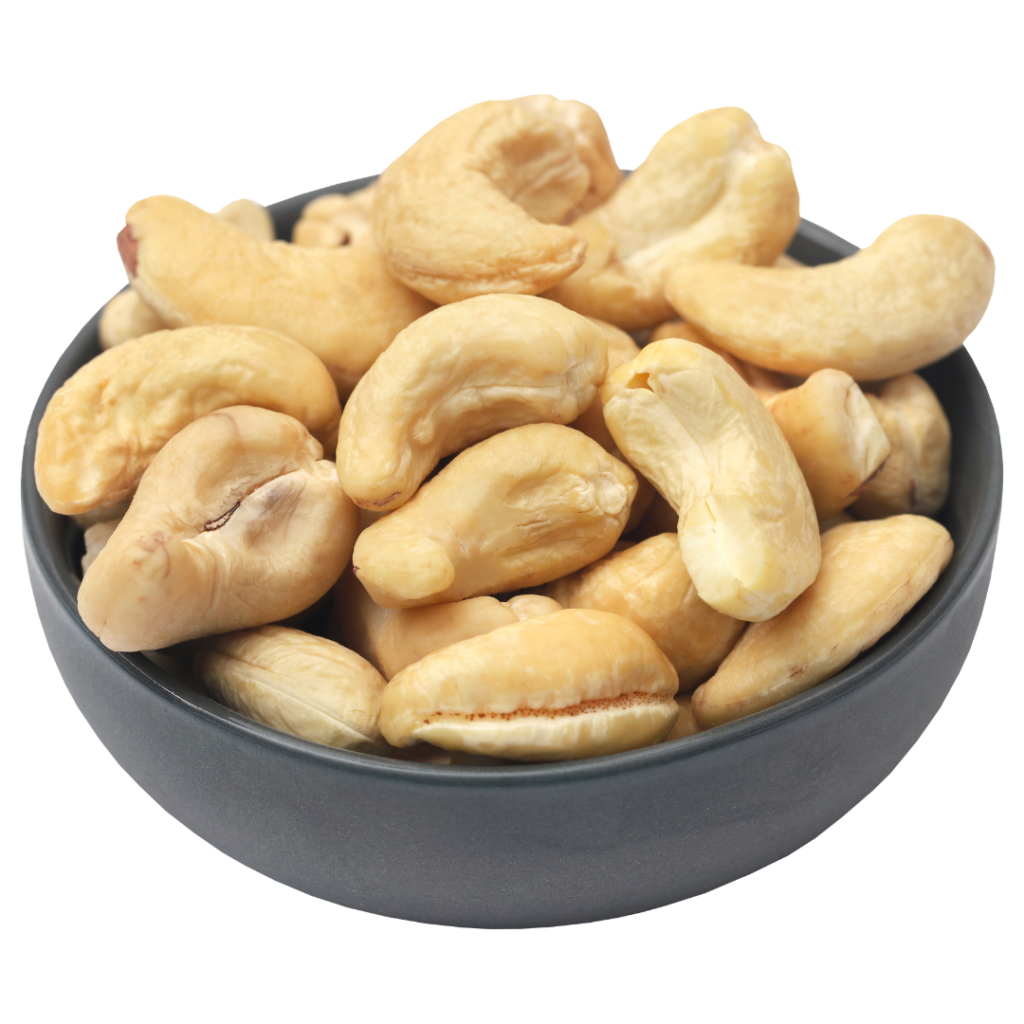
We process in two facilities in Dong Nai City, Vietnam: one for raw kernels with testa, and one for white whole kernels and roasted products. Commercial coordination runs from our branch office.
Control from supplier to shipment
Each stage and what we control, from supplier review to after shipment.
- Supplier review Source evaluation, material history and purchase requirements
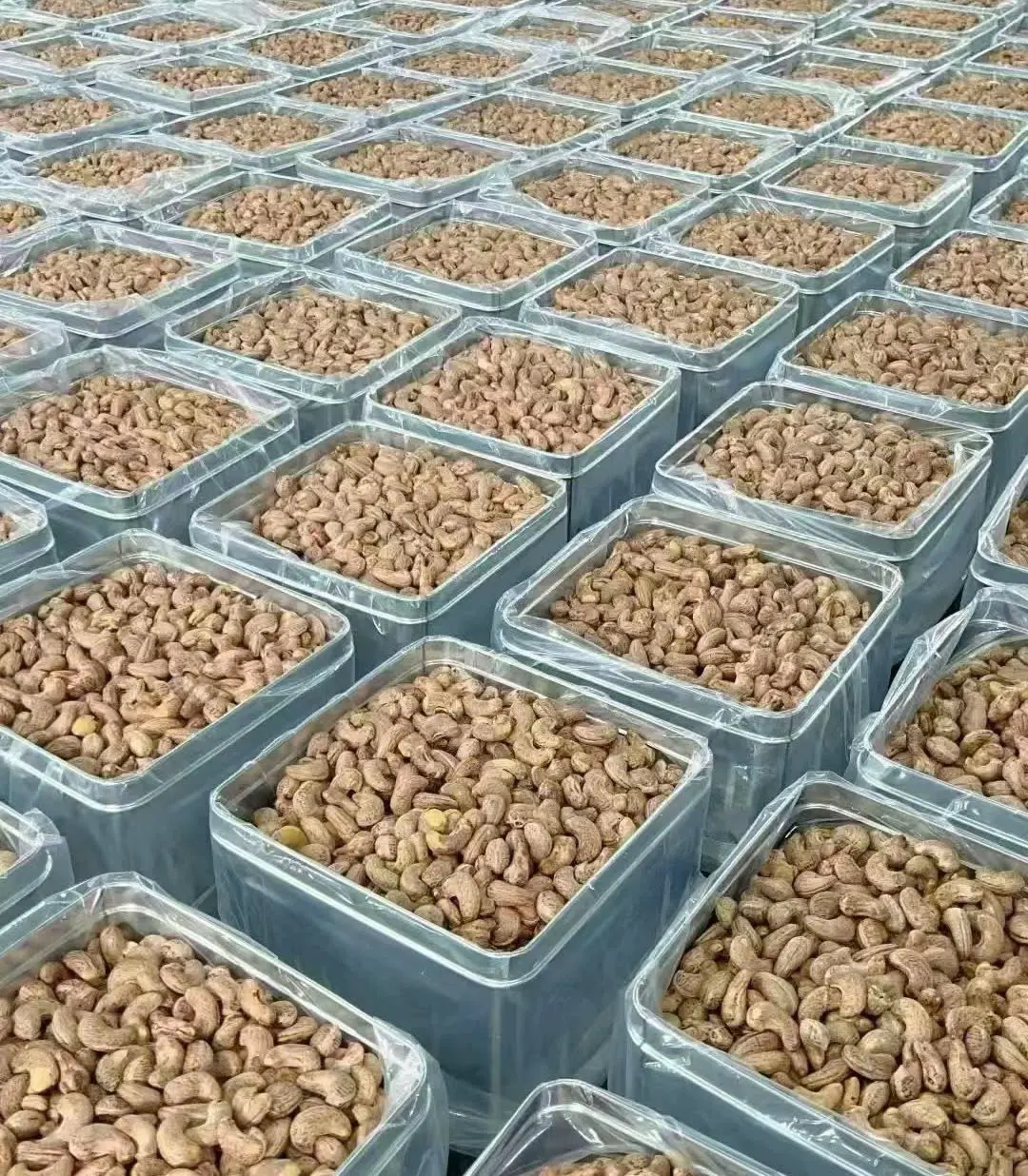
- Incoming inspection Supplier, lot, origin, arrival date and quantity verified before unloading; moisture with calibrated equipment; colour, mould, insect activity, scorching, oil staining and odour; size or nut count; stones, shell fragments, metal, plastic and other foreign matter; samples drawn from several points of the lot
- Processing Steaming or conditioning, shelling, drying, peeling (or testa protection for WA and A grades), machine and manual colour sorting, grading, and roasting and salting for A grades
- Final release Packing, coding, foreign-body control and documentation review
- Warehouse Clean, dry storage; lot segregation and stock rotation
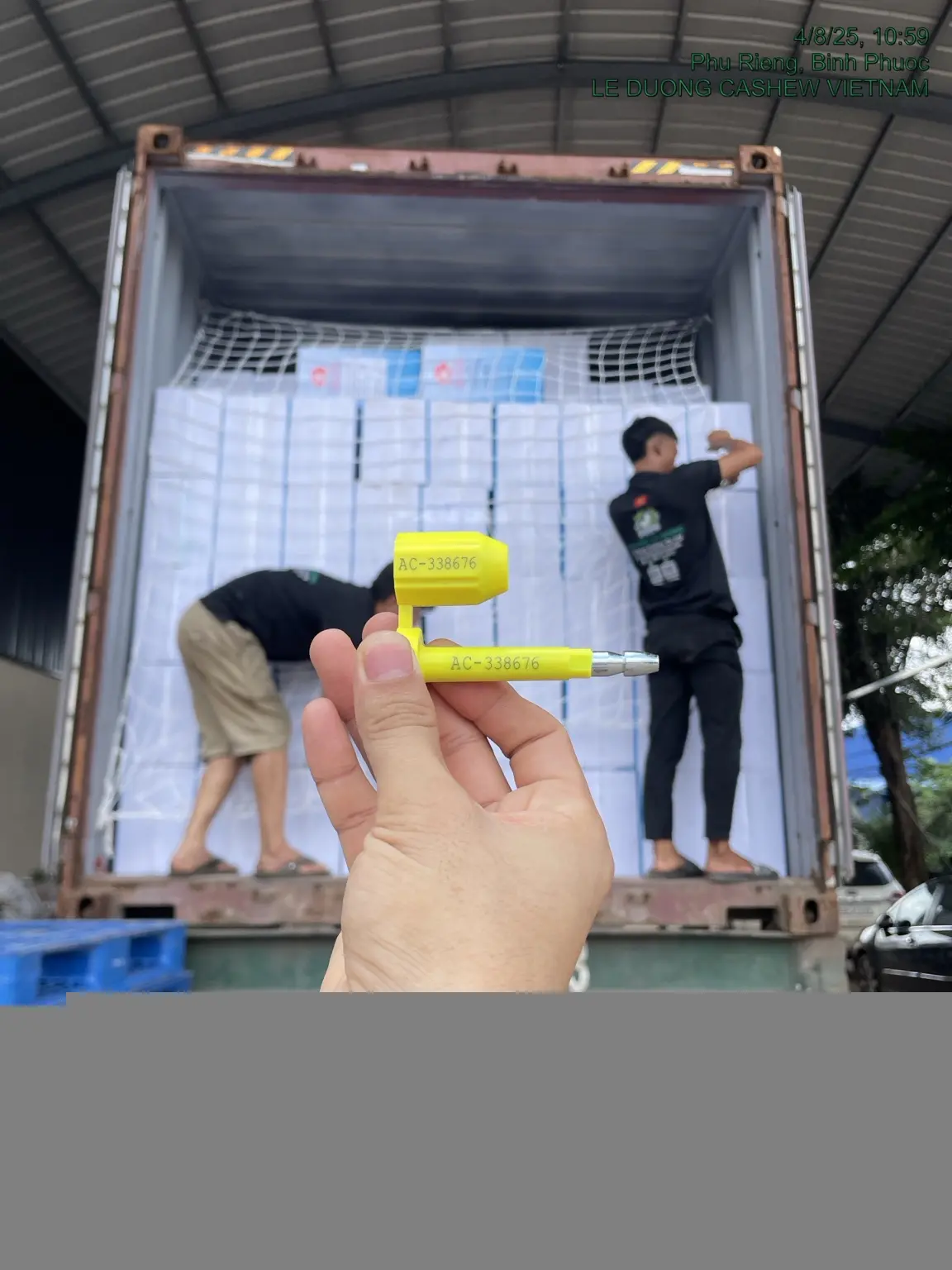
- Container check Cleanliness, dryness, odour and structural condition before stuffing
- Loading control Carton count and condition, loading photos and seal verification
- Document control Specification, inspection report and shipping documents checked against the contract
- After shipment Retain samples, buyer feedback, complaint handling and corrective action
Incoming material decisions
Each result of the incoming inspection, with its action and record.
Accepted
Action: The lot is identified and released to the approved production route
Record: Incoming inspection and warehouse receipt
Conditionally accepted
Action: Segregated, with defined corrective processing or additional inspection
Record: Deviation approval and re-inspection result
Rejected
Action: Isolated, then returned, replaced or otherwise handled under authorisation
Record: Nonconformity report and disposition
Packing release checklist
Each checkpoint and its acceptance focus.
Primary packaging
Food-contact suitability, cleanliness, correct material, no visible damage
Vacuum and seal
Seal continuity, vacuum retention, no product trapped in the seal
Net weight
Checked against the approved packing format
Carton or tin
Strength, cleanliness, closure, print quality and suitability for transport
Label and coding
Product, grade, lot code, packing date and market information
Foreign-body control
Sorting and inspection records; metal detection as agreed in the contract
Traceability
Every carton carries a lot code. The code links each step:
- the raw material lot and its incoming inspection;
- the production lot, with its date, line, process route and monitoring records;
- the packing lot, with grade, packing format, net weight and label control;
- the container, with container number, seal number and loading evidence;
- the customer file, with the contract, shipping documents and quality dossier.
Representative retain samples of each shipment are kept for at least 12 months from dispatch.
Testing
In-house, on every lot
Moisture, visual grading and defect classification, size or count, odour and sensory checks, package seal and vacuum, carton marking and lot codes.
Independent laboratories
Aflatoxins, microbiology, heavy metals and pesticide residues, in ISO/IEC 17025-accredited laboratories, when a contract or the destination market requires it, and from time to time on a risk basis. See Laboratory testing.
Quality dossier for each shipment
- Approved technical specification
- Finished-product inspection report or certificate of analysis, as agreed
- Lot identification and packing information
- Container inspection and loading photos
- Retain-sample record
Complaints and corrective action
- Receive Record the complaint with the shipment, lot code, photos and supporting evidence.
- Contain Identify affected stock, records and related production lots.
- Investigate Review retain samples, QC results, process records and logistics evidence.
- Correct Agree the resolution, such as rework or replacement before shipment, or a discount, reimbursement or other settlement after shipment, under the contract terms.
- Prevent Act on the verified root cause and check that the action works.
Claims are made in writing within the period stated in the contract, with lot codes, photos and, where agreed, an independent survey report.
Planning an audit or a supplier approval? We share our quality documents and arrange visits to our facilities by appointment.
Version 1.0, effective from the publication date. Contract specifications and shipment documents take precedence over this general description.


