
Reliable cashew sourcing depends on controls that buyers and suppliers can verify. The most useful improvement program connects commercial, quality, documentation and logistics risks to named owners and recorded actions.
Product control
Approve the grade and specification before production. Define moisture, breakage, defects, foreign matter, sensory condition, packing and labeling. Keep an agreed sample where practical and state how the final lot will be sampled.
Traceability
Link incoming material, production batches, packing dates, carton codes and shipment records. A traceability exercise should identify the affected quantity and supporting documents without depending on memory or informal messages.
Shipment readiness
Confirm container condition, loading method, carton count, net and gross weight, container number, seal and document set. Record exceptions before the container leaves the loading point.
Evidence for environmental improvements
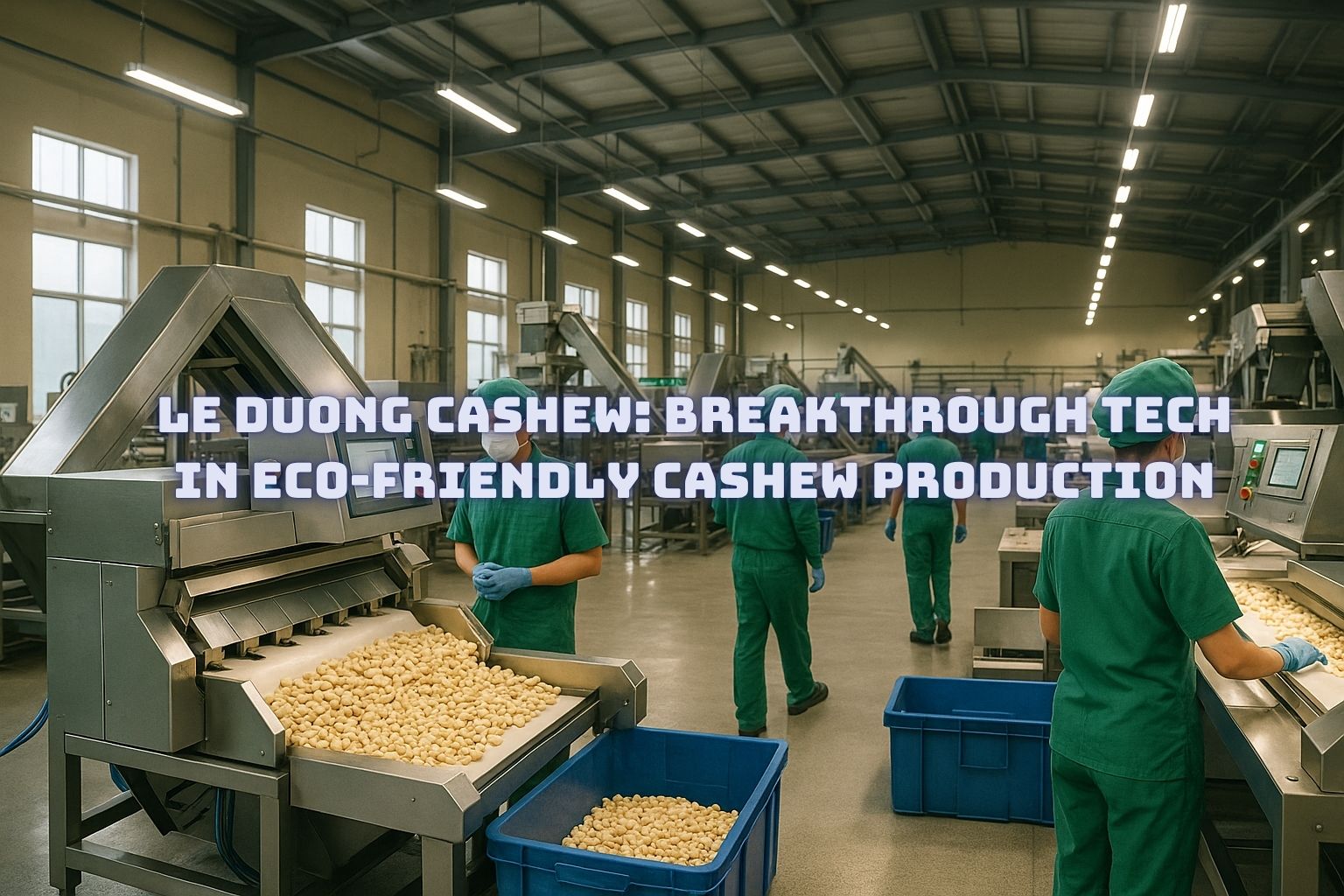
If a supplier proposes an energy, waste or packaging initiative, establish a baseline and measurement method first. Historic numerical claims about emissions reduction, smart robots, renewable materials or certified sustainability should not be treated as verified Le Duong Cashew performance.
Corrective actions
A useful corrective-action record describes the deviation, immediate containment, root cause, responsible person, deadline and evidence of completion. Buyers should also decide when recurrence triggers additional inspection or a contract review.
Commercial clarity
Quality controls work best when payment milestones, inspection rights, claim windows and document responsibilities are agreed in the contract. The objective is a predictable transaction, not a collection of promotional promises.
Use our How to Order guide or send a detailed inquiry to define the controls required for your shipment.