
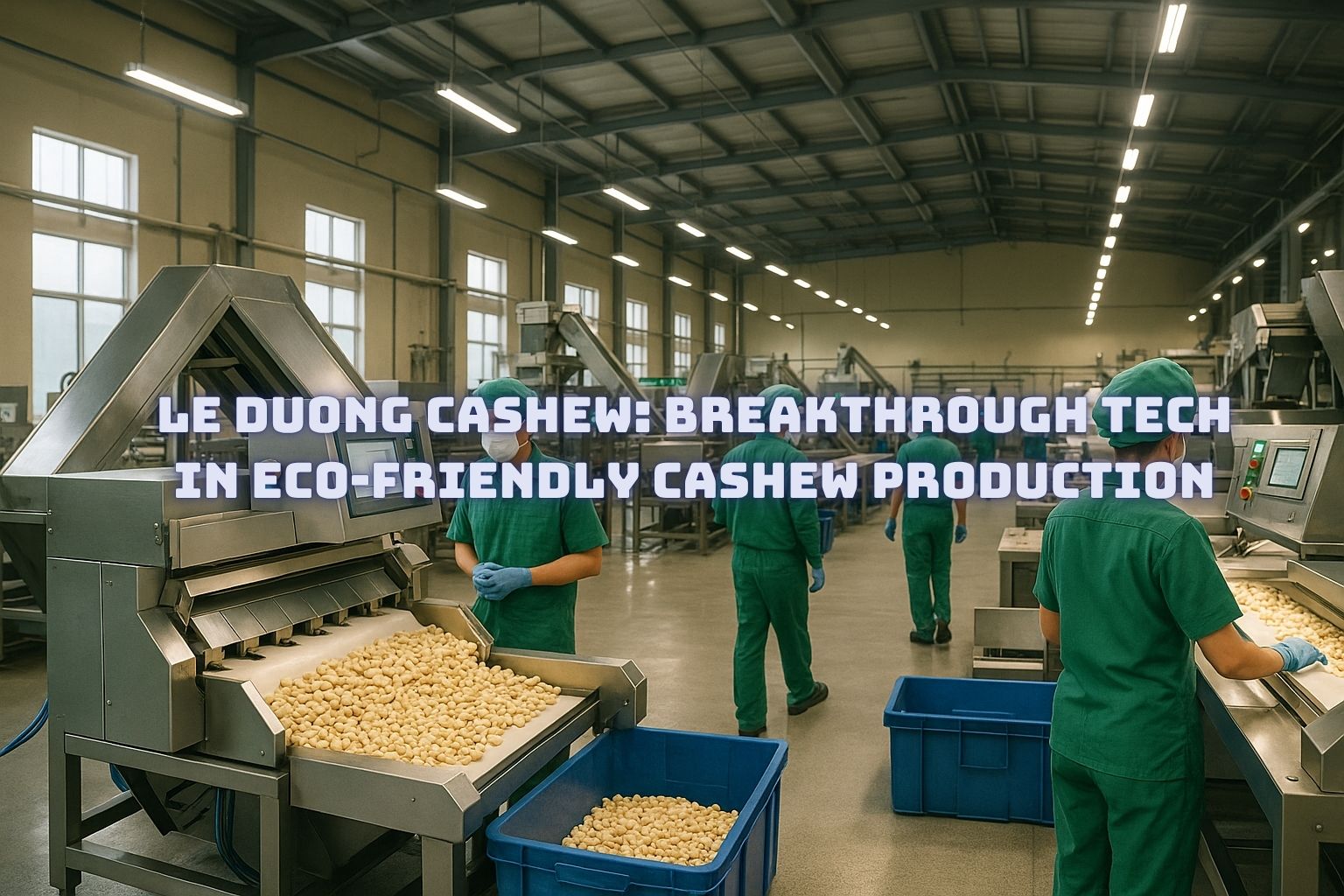
Processing technology can improve consistency and throughput, but equipment labels do not prove product quality. B2B buyers should assess the controls around the equipment and the measured result for the contracted lot.
Define the required output
Start with the finished-product specification: grade, count or size, moisture, broken tolerance, defects, foreign matter, sensory condition and packing. The process should be evaluated against these outcomes.
Ask how equipment is controlled
Relevant questions include calibration, maintenance, cleaning, changeover, operator training and verification frequency. Automated sorting may support visual inspection, but trained personnel and documented sampling remain important.
Review data, not marketing percentages
Claims of fixed water savings, efficiency gains, defect rates or production-cost reductions need a baseline, period and calculation method. Le Duong Cashew does not present unsupported historical percentages for water use or automated-sorting efficiency as verified performance.
Check food-safety and cross-contact controls
Technology changes should be assessed for cleaning access, foreign-material control, food-contact suitability, allergen management and traceability. For flavored or roasted products, ingredient and shared-line controls may also affect customer certification programs.
Connect production evidence to shipment evidence
Lot codes, packing dates, carton marks, inspection results and container records should form one traceable chain. When independent inspection is required, agree on the sampling and acceptance method in advance.
Confirm certification separately
A technology investment does not create Halal, organic, environmental or food-safety certification. Each certification must be checked by legal operator, facility, activity, product scope and validity.
Review available documents in our Document Centre and send your technical specification for a lot-specific discussion.