
New Crop 2026 vs Old Crop Cashew Kernels: What Buyers Should Expect
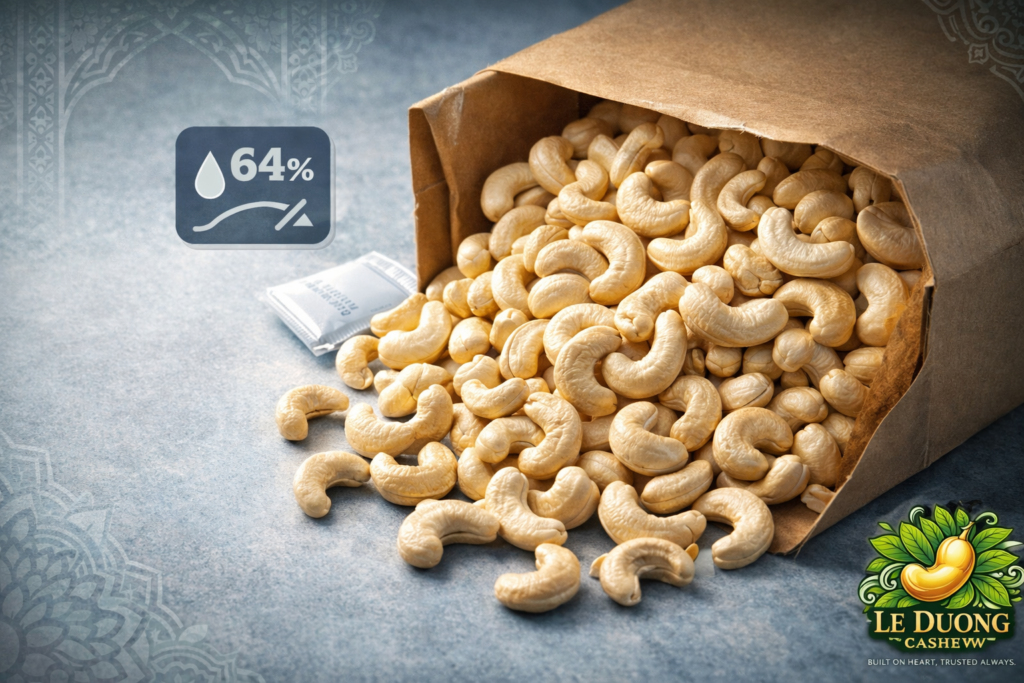
Compare New Crop 2026 vs Old Crop cashew kernels on color, taste, crunch, moisture risk, and sample tests. Request COA and packing options.
When buyers message “new crop ready,” the next questions are usually the same: Is the color brighter? Is the crunch better? Will it hold up in storage and transit?
In cashew kernels, “new crop” can mean fresher raw material and shorter storage history—but the real decision comes down to sensory consistency, moisture control, and sample verification. This guide explains what typically changes vs. old crop and how to test samples before you confirm a contract.
-
Table of Contents
-
Why “New Crop 2026” matters for importers
-
New crop vs old crop: color, taste, crunch
-
Moisture risk and storage behavior (the real hidden cost)
-
How to test samples: quick checks + COA-style indicators
-
Packaging options to protect crunch and color
-
Export documents and clearance timing to avoid delays
-
Logistics notes for hot/humid markets
-
Supplier evaluation checklist
-
Buyer FAQ
-
Internal Links (Suggestions)
1) Why “New Crop 2026” matters for importers
For snack brands, roasters, and ingredient users, “new crop” affects three things buyers care about most: visual grade stability, roast performance, and shelf-life risk. In many supply chains, old crop lots may have longer storage time across raw nut or kernel stages, increasing the chance of humidity exposure, oxidation, and gradual loss of crisp bite—especially if repacking or multiple warehouses are involved.
The goal is not to chase “new crop” as a label, but to secure repeatable sensory results that match your spec for whiteness/cream tone, flavor cleanliness, and breakage limits—supported by traceability and COA-style reporting.
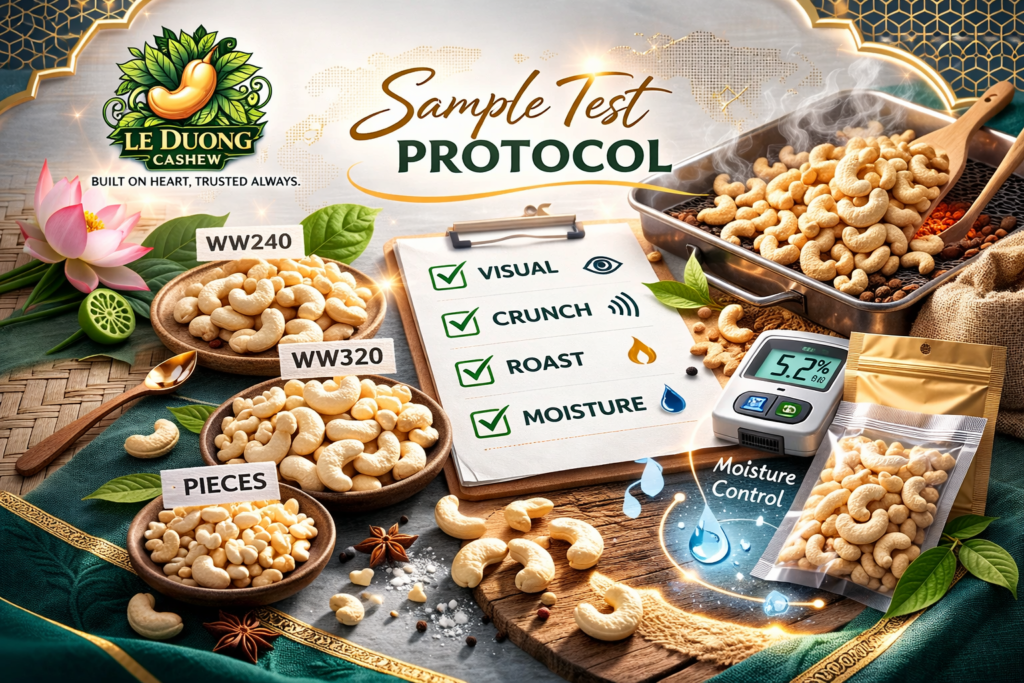
New Crop 2026 and Old Crop Cashews Key Differences
2) New crop vs old crop: color, taste, crunch
Below are typical tendencies buyers report (your actual outcome depends on raw origin, processing discipline, and storage conditions):
Color (whiteness / cream tone)
-
New crop kernels often present a cleaner, brighter cream tone with fewer dull pieces—especially in premium whole grades like WW320, WW240, WW180/WW160.
-
Old crop kernels can show slightly deeper cream/yellowing or more variability lot-to-lot if storage was prolonged or temperature/humidity fluctuated.
What to verify in samples:
-
Consistency across multiple handfuls (not just top layer)
-
Percentage of off-tone pieces for your brand’s visual standard
-
Whether sorting appears “tight” for the grade (uniformity is often more important than absolute whiteness)
Taste (freshness / sweetness / “clean” finish)
-
New crop tends to taste cleaner and sweeter, with less chance of “flat” notes.
-
Old crop may taste less vibrant; if storage was poor, you can get early signs of staleness.
What to verify:
-
Blind taste vs your reference lot
-
Aftertaste cleanliness (no musty note)
-
Roast response: even browning at your normal profile
Crunch (crisp bite / brittleness)
“Crunch” is closely linked to moisture uptake.
-
New crop may feel crisper when moisture is controlled through packing and storage.
-
Old crop can be perfectly crisp too—if it stayed dry end-to-end. The problem is that longer storage history increases exposure opportunities.
Practical clue: kernels that feel slightly “soft” at room temperature often correlate with higher moisture or humidity absorption during handling.
3) Moisture risk and storage behavior
Moisture is the most common hidden driver behind buyer complaints: loss of crunch, clumping, faster rancidity, and mold risk in extreme cases. Even when moisture is within spec at packing, kernels can absorb humidity if:
-
cartons sit in non-conditioned warehouses,
-
containers face temperature swings,
-
or inner liners aren’t properly sealed.
Controls suppliers can use (and buyers can request):
-
Moisture targets aligned with buyer specs (often around low-single digits, subject to your contract)
-
Foreign matter control (metal detection / magnets, sieving as applicable)
-
Batch coding + traceability to processing date and packing date
-
Clear handling SOPs for high-humidity seasons
Halal note (careful): cashews are plant-based; halal assurance often relates to handling/cross-contact controls and documentation. Supporting documentation may be available upon request depending on supply chain requirements.
Mid-article CTA: If you want to compare New Crop 2026 lots side-by-side with your reference, request a sample set + COA-style results here: https://your-cta-link.example
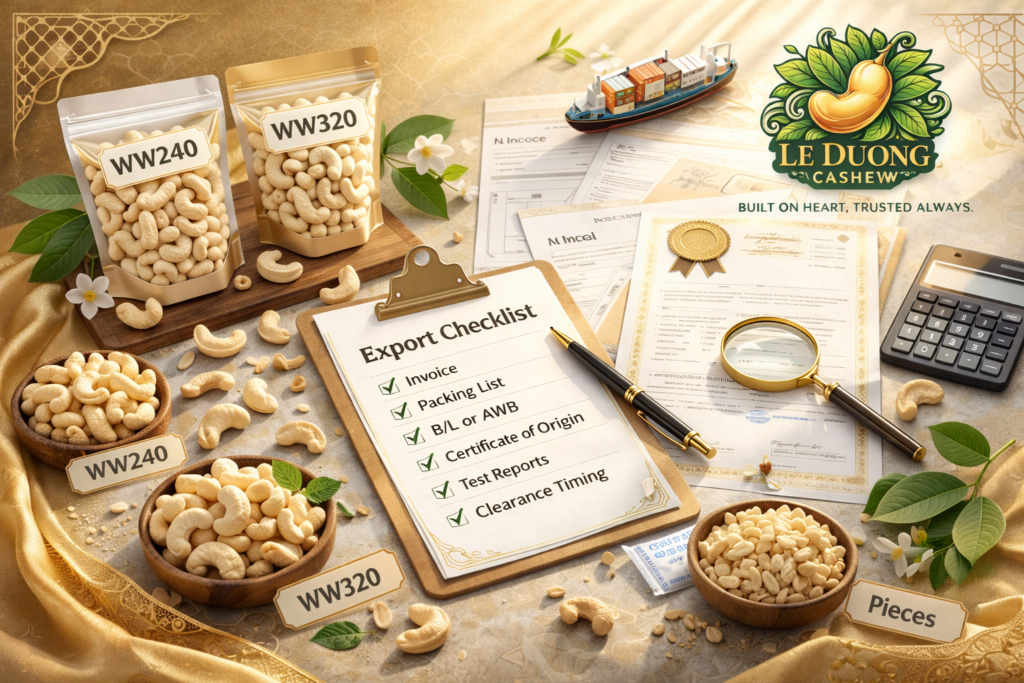
New Crop 2026 and Old Crop 2025 Cashews Key Differences
4) How to test samples (color, crunch, moisture risk)
Buyers move faster when they standardize a simple sample protocol. Here are practical tests that work well for procurement and QC teams:
A. Visual grading check (5–10 minutes)
-
Spread 200–300g on a clean tray under consistent lighting.
-
Check: whole ratio, uniformity, off-color pieces, visible defects (spots, scorch, insect damage), foreign matter.
-
Compare against your internal acceptable defect limits for the grade.
B. Crunch / texture check (same day)
-
Bite test at ambient conditions (avoid tasting right after opening from cold storage).
-
Listen/feel for crisp snap vs chewy bite.
-
Optional: weigh a small portion before/after 30 minutes exposed to humid air to see sensitivity (highly indicative for tropical markets).
C. Roast test (best predictor for snack brands)
-
Roast a small controlled batch at your standard profile.
-
Check: even browning, aroma release, flavor cleanliness, percentage of breakage post-roast.
D. Moisture & water activity (if your QC lab supports it)
-
Moisture % is common; water activity (aw) can be even more predictive of texture stability.
-
Ask your supplier what they can report routinely and what can be provided by request (COA-style).
E. Packaging integrity trial
-
Keep a sample in its inner packaging for 7–14 days in typical warehouse conditions.
-
Observe: texture drop, odor change, any condensation signs.
5) Product focus: grades and best use cases
Different buyers care about different risk points:
-
WW320: broadest mainstream whole grade; strong for retail packs, roasting, private label.
-
WW240: larger kernels; premium snack and gifting packs; visual impact.
-
WW180 / WW160: very large, premium presentation; higher sensitivity to breakage—packing and handling matter.
-
WS (Wholes/Scorched or pieces mixes depending on spec): cost-efficient for industrial use; confirm buyer-defined spec carefully.
Recommendation: for “new crop vs old crop” decisions, test at least one premium whole grade (WW240/WW320) plus your actual production grade, because sensitivity to moisture and color variance shows up differently.
6) Packaging options to protect crunch and color
Packaging is where “new crop advantage” can be kept—or lost.
Common export packing options:
-
Bulk cartons with inner polybag (standard for many markets)
-
Vacuum packing (helps reduce oxygen exposure and moisture ingress risk)
-
Nitrogen flushing upon request (can support freshness retention, subject to buyer spec and feasibility)
Labeling & batch coding to ask for:
-
Grade, net weight, crop/packing date reference (as agreed), lot/batch code
-
Pallet marks if you’re doing mixed-grade shipments
-
Buyer private label requirements upon request
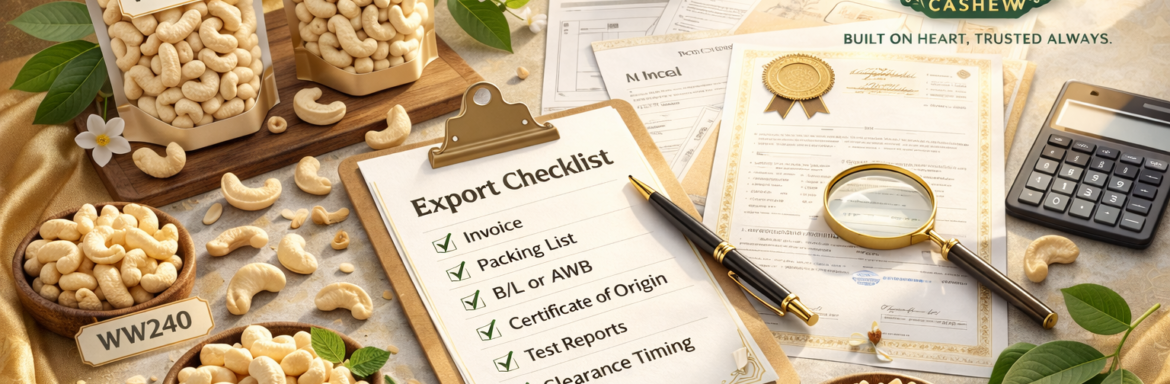
7) Export documentation and clearance timing (avoid demurrage)
To prevent clearance delays and storage exposure at port, align paperwork early:
-
Commercial invoice, packing list
-
B/L or AWB
-
Certificate of origin where applicable/required
-
Test reports/COA-style data as agreed (moisture, defects, microbiology if requested)
-
Any buyer-required declarations (allergen statement, non-GMO statement if requested, halal handling statement if applicable)
Tip: pre-share draft docs before vessel arrival and confirm HS code expectations with your broker to reduce demurrage risk.
8) Logistics notes for hot/humid markets
If your market involves high heat or humidity (common across parts of MENA and Southeast Asia), plan for:
-
Fast post-production stuffing schedules (minimize warehouse dwell time)
-
Container loading strategy that avoids condensation risk (dry, intact liners; desiccants as appropriate)
-
Palletization that supports airflow and reduces carton crushing
-
Destination warehousing: cool, dry, pest-controlled; FIFO discipline
9) Supplier evaluation checklist (what to verify)
Before you commit to “New Crop 2026,” verify:
-
Clear definition of “new crop” (raw sourcing window + kernel packing date range)
-
Traceability: batch coding linked to processing and packing
-
QC controls: defect sorting discipline, moisture control, foreign matter control
-
Sample consistency: multiple samples across the lot (not a single “golden sample”)
-
Packing options: vacuum/nitrogen upon request, liner specs, carton strength
-
Documentation readiness: COA-style reporting, photos, pre-shipment inspection support upon request
-
Claims discipline: no over-promising; specs confirmed in writing
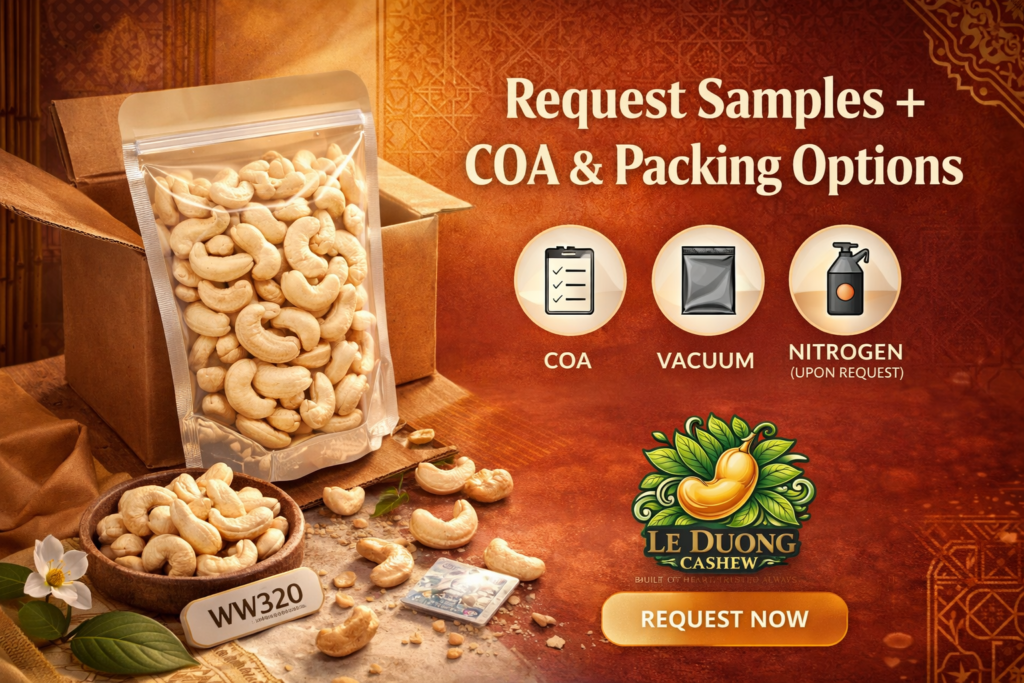
New Crop 2026 and Old Crop Cashews Key Differences – COA, Packaging Standard
Buyer FAQ
Q1: Does New Crop always mean whiter kernels?
Not always. New crop can help, but color is driven by raw material quality, processing, sorting, and storage. Ask for a representative sample set and lot photos.
Q2: What’s the fastest way to detect moisture risk?
Do a quick crunch test + a short exposure trial in your typical ambient humidity, and request moisture/aw data if available.
Q3: Can old crop still be “good”?
Yes—if storage was controlled and packing integrity is strong. The risk is variability and hidden exposure over time.
Q4: Should we switch grades for new crop season?
Only if your product needs it. Many buyers keep the same grade (e.g., WW320) and focus on tighter defect limits + better packing.
Q5: What should be on the COA for decision-making?
At minimum: grade/spec reference, moisture, defect summary, foreign matter control statement, batch/lot code, and testing date (plus microbiology if your application requires).